Gold has always had a strange grip on mortal imagination. From dictators buried with heavy chokers to ultramodern investors hoarding coins, gold is far and wide. It’s not just a candescent gemstone pulled out of the ground. It’s history, wealth, superstition, and survival each pressed into one spangling element. People have crossed comeuppance, started wars, and erected conglomerates just to hold a piece of it.
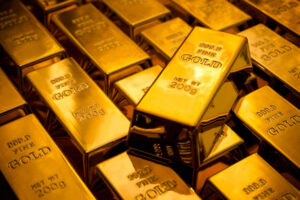
Picture this a miner in the 1800s, hands cracked, back fraudulent, gaping at a bitsy nugget in a visage of cold swash water. That moment of discovery was n’t just about plutocrat — it was about stopgap. Gold came a ticket to freedom, or at least the dream of it. The gold rushes did n’t just pull people into mountains and gutters; they dragged entire husbandry along for the lift. Small municipalities popped up overnight, and occasionally dissolved just as snappily. Gold had the power to breathe life into places no bone watched about ahead.
Yet, gold is n’t just old history. suppose about your phone, your laptop, indeed satellites above the shadows. Gold is in there, helping carry electricity because it does n’t rust or lose its shine. It still does its job while still keeping its royal character in jewelry shops and bank vaults. There’s commodity lyrical about a essence being both practical and glamorous.
Culturally, gold has always carried double meanings. On one side, it’s chastity, marriage bands, crowns, and religious icons. On the other, it’s rapacity, corruption, and people willing to betray family just for a many ounces. That duality makes it fascinating. We love it, but we also sweat what it can do to us. It’s the angel and devil sitting on the same golden coin.
Ask anyone why they still trust gold, and you’ll get answers filled with both sense and gut instinct. Some say it’s because gold does n’t rot. Others will point out that in uncertain times, paper plutocrat can deteriorate, but gold holds steady. perhaps that’s why during profitable storms, people start grabbing bars and coins like squirrels grazing up on acorns.
There’s also a strange emotional pull. Gold feels heavy in your hand, warm, nearly alive. It does n’t look fragile, but it carries fragility in the way it makes people act. Wars have been fought for it, yet couples also mark their pledges with it. You ca n’t say that about numerous effects on Earth.
So whether it sits in a ring box, a safe deposit vault, or the bitsy cables inside your favorite contrivance, gold noway really disappears. It shifts, it changes shape, but it stays present, stubbornly flashing through centuries of mortal chaos. That’s its real power permanence in a world that refuses to stand still.